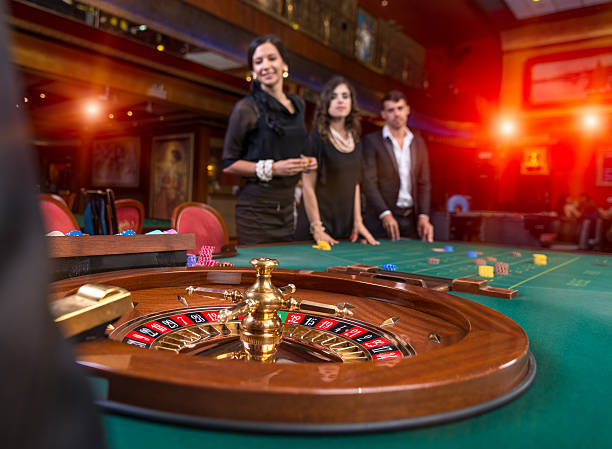

Analyzing the impact of luck versus skill in gambling
Understanding the Nature of Gambling
Gambling is an activity that has captured the fascination of cultures around the globe for centuries. At its core, gambling involves risking something of value on an event with an uncertain outcome, often determined by chance. The allure lies in the potential for significant financial gain, but the outcome hinges on two primary factors: luck and skill. Many players seek out opportunities at platforms that offer favorable conditions, like a fast withdrawal casino canada , where they can maximize their chances for success. The interaction between these elements significantly influences players’ experiences and outcomes. As such, understanding the intricacies of luck and skill becomes essential in grasping the broader landscape of gambling.

Luck generally refers to the unpredictable and uncontrollable elements that can affect the outcome of a gamble. In many instances, players find themselves at the mercy of whims of fortune, such as when rolling dice, spinning a roulette wheel, or drawing cards in games like poker. The random nature of these events often leads to dramatic swings in fortune, where a player can win or lose in a matter of seconds. This inherent uncertainty is what makes gambling thrilling but also perilous, as it can obscure the line between responsible play and reckless betting.
Conversely, skill represents the knowledge, experience, and strategic thinking a player brings to the table. Games like poker and blackjack require players to make calculated decisions based on probabilities, opponent behavior, and personal strategy. Skilled players can leverage their understanding of the game to gain an edge over less experienced opponents, minimizing the role of luck considerably. However, even in these skillful endeavors, luck still plays a role, highlighting that the gambling experience is often a delicate balance between chance and expertise.
The Role of Luck in Gambling
Luck undoubtedly plays a pivotal role in various gambling scenarios, particularly in games that do not require strategic thinking or where outcomes are purely chance-based. For instance, slot machines are entirely reliant on random number generators that determine the outcome of each spin, making skill irrelevant. Players’ experiences in these situations are heavily influenced by luck, which can determine whether they walk away with a jackpot or leave empty-handed. Recognizing the pervasive influence of luck in such games is crucial for players to manage their expectations and emotional responses.
The perception of luck can also shape a player’s gambling behavior. Many individuals tend to believe in personal luck or hot streaks, which can affect their decision-making processes. This psychological aspect can lead to the “gambler’s fallacy,” where players think past outcomes will influence future results. For example, a player who experiences consecutive losses may double their bets in hopes of a win, believing their luck is bound to change. Understanding these psychological triggers can help players make more informed choices, regardless of the role luck plays in their gambling experience.
Furthermore, the element of luck is often built into the very structure of gambling games to maintain the excitement. Casinos and gaming establishments design games in such a way that they provide unpredictable outcomes while still being profitable. The chance of hitting a big win, even in games dominated by luck, creates a thrilling environment where players often feel compelled to participate. This highlights the fine line between chance and the designed allure that gambling industries cultivate to keep players engaged.
The Importance of Skill in Gambling
While luck is an undeniable factor in gambling, skill can substantially influence outcomes, particularly in games where decision-making can alter the course of play. Poker, for instance, is a prime example of a game where strategy and psychological insight are crucial. A skilled player can read opponents’ behaviors, calculate odds, and make calculated bets that can lead to long-term profitability. In this sense, skill can mitigate the impact of luck over time, suggesting that knowledgeable players are often more successful than their less experienced counterparts.
Moreover, skill-based games often incorporate elements of mathematical probability, allowing players to make informed decisions. In blackjack, for instance, basic strategies such as knowing when to hit or stand according to the dealer’s upcard can significantly improve a player’s chances of winning. Experienced gamblers understand that while luck may determine short-term results, skillful play can influence the overall outcome in the long run. This dynamic is essential for serious players who wish to hone their craft and approach gambling as more than just a game of chance.
Skill also extends beyond individual game strategies to understanding the broader gambling landscape, including bankroll management and the psychology of gambling. Successful gamblers often adopt strict bankroll strategies that dictate how much they are willing to risk, helping them to avoid the pitfalls of chasing losses. Additionally, recognizing when to walk away from a game or recognizing emotional triggers can significantly enhance a player’s overall experience. As such, honing these skills can lead to more responsible and enjoyable gambling practices.
Balancing Luck and Skill in Gambling
The balance between luck and skill is complex and varies by game type. In purely chance-based games, luck dominates the outcome, while skill plays a more prominent role in strategic games. However, players should recognize that each game can contain elements of both, and successful gambling often involves a mix of both attributes. Understanding how to leverage one’s skills while acknowledging the role of luck can enhance the overall experience and potentially yield better results.
Players who wish to be successful must develop a mindset that embraces both luck and skill. This involves understanding the limitations of each and knowing when to rely on intuition versus tactical decision-making. For example, while playing a game of poker, a player must gauge the situation based on their hand, opponents’ behaviors, and potential risks. This judgment call involves skills refined through experience, thus showing how skill and luck can intertwine in gameplay.
Ultimately, the true essence of gambling lies in its unpredictability. Players need to approach gambling with a healthy attitude, recognizing that no matter how skilled they may be, the element of luck will always be present. This balance not only makes the experience thrilling but also fosters a responsible attitude toward gambling, encouraging players to engage in the activity with awareness and enjoyment, rather than obsession or desperation.
Exploring Responsible Gambling Practices
Promoting responsible gambling practices is essential, especially in an environment where both luck and skill coexist. Understanding the dynamics of gambling can help players make informed choices. One of the most significant aspects of responsible gambling is setting clear limits on time and money spent on gambling activities. This can help mitigate the risks associated with the unpredictable nature of luck and the potential for gambling addiction, ensuring that players enjoy the entertainment value without falling into precarious situations.
Additionally, educating players about the inherent risks associated with relying too heavily on luck is crucial. While luck can lead to significant wins, it can also result in considerable losses, and players must be aware of the volatility that comes with gambling. Incorporating skill development, such as learning game strategies and honing critical thinking abilities, can empower players to take control of their gambling choices and minimize the role of luck in their experiences.
Finally, promoting awareness about available resources for problem gambling can support individuals who may struggle with the balance between luck and skill. Organizations often provide valuable tools and information to assist players in recognizing unhealthy gambling habits. By fostering a culture of responsible gambling, players can enjoy the benefits of both luck and skill while maintaining a healthy relationship with the activity.